Google just made high-quality image generation genuinely fast. Nano Banana 2 — the commercial name for Gemini 3.1 Flash Image, powered by the GemPix 2 Diffusion Renderer — outputs native 4K in under 10 seconds, holds five characters and fourteen objects in consistent identity across a full shoot, and renders legible text without the usual hallucinated gibberish. If your current pipeline is burning hours on upscaling, re-prompting for consistency, or fixing broken typography in post, Nano Banana 2 is the 2026 model worth understanding before your competitors do.
What Is Nano Banana 2? Architecture and Core Design
Nano Banana 2 is Google DeepMind's second-generation high-efficiency image model, officially designated Gemini 3.1 Flash Image and released in the first quarter of 2026. The "Nano Banana" product name sits under Google's broader Gemini image suite alongside the heavier Gemini 3.1 Pro Image — but "high-efficiency" does not mean a cut-down experience. It means the model was engineered specifically to collapse the gap between generation quality and generation speed.
Where first-generation Flash Image models traded quality for throughput, Nano Banana 2 treats 4K resolution and sub-10-second generation as baseline requirements, not premium options. The result is a model built for professional pipelines that actually need to ship work — not for weekend hobbyists who can afford to wait three minutes per render.
The GemPix 2 Diffusion Renderer
The architecture behind Nano Banana 2 is the GemPix 2 Diffusion Renderer, a hybrid diffusion-transformer system that departs from the cascaded upscaling approach used by most competing models. Instead of generating at 512px or 1024px and upscaling in subsequent passes, GemPix 2 generates natively at 4K resolution from the first diffusion step.
How? The renderer uses a tiled attention mechanism that processes high-resolution feature maps in parallel rather than sequentially. Combined with distilled inference steps — reduced from the standard 50-step DDPM schedule down to a 12-step optimized schedule — GemPix 2 achieves native 4K output at speeds that cascaded architectures cannot match without sacrificing structural coherence.
Nano Banana 2 vs GPT Image 2: What Actually Changed
The Nano Banana 2 vs GPT Image 2 comparison reveals five meaningful improvements. Not all of them are obvious from the marketing material, so it is worth examining each one with some precision.
1. Native 4K Output at 10-Second Generation Speed
The headline specification is real in controlled conditions: Nano Banana 2 generates a single 3840 × 2160 image in approximately 8–10 seconds on Google's standard API tier. Batch generation of four images adds roughly 6–8 seconds per additional image at the same resolution, making it viable for production pipelines that require multiple variations per prompt.
For context: most competing models either hit similar speeds at 1024px and upscale, or generate at true 4K in 45–90 seconds. Nano Banana 2 is operating in a different performance class for high-resolution native output.
2. Identity-Lock: 5 Characters, 14 Objects
Identity-Lock is Nano Banana 2's multi-subject consistency system. It maintains persistent visual identity for up to five distinct human characters and up to fourteen branded or designed objects across an unlimited number of generated images within a single session or project context.
The five-character limit covers the majority of professional use cases: brand mascot shoots, editorial illustrations with recurring cast, e-commerce product photography with consistent model talent, and game development concept series. The fourteen-object limit handles complex product lines, branded environment props, and multi-SKU e-commerce catalogs in a single session.
3. Text Rendering Quality
Nano Banana 2 ships with the most significant text rendering improvement in the Gemini image line to date. The GemPix 2 renderer incorporates a dedicated typographic attention module that was trained on a curated corpus of design mockups, editorial layouts, and sign photography. In practice: short strings up to approximately 30 characters render with consistent letterforms and correct spelling roughly 94% of the time.
4. Google Search Grounding Integration
Nano Banana 2 is the first image generation model to ship with Google Search grounding as a native generation feature. When grounding is enabled, the model queries live Google Search data to inform visual generation of real-world subjects. If you prompt Nano Banana 2 to generate a product shot of a real commercial location or a current fashion trend, the model pulls current visual reference to inform its generation.
5. 14 Native Aspect Ratios
Nano Banana 2 supports 14 native aspect ratios — generated natively at full resolution rather than cropped from a square or 16:9 master. This covers everything from 1:1 social squares to 21:9 ultrawide cinematic formats, ensuring compositional logic is optimized per ratio.
Feature | GPT Image 2 | Nano Banana 2 |
|---|---|---|
Max Native Resolution | 2K (upscaled to 4K) | 4K (3840×2160) |
Generation Speed (4K) | 35–50 sec | 8–10 sec |
Multi-Character Consistency | 3 chars / 8 objects | 5 chars / 14 objects |
Text Accuracy | ~91% (≤30 chars) | ~94% (≤30 chars) |
Search Grounding | Partial (Bing) | Native (Google Search) |
Native Aspect Ratios | 9 | 14 |
API Cost per 4K Image | ~$0.07 | ~$0.04 |
Nano Banana 2 Photorealism and Visual Quality
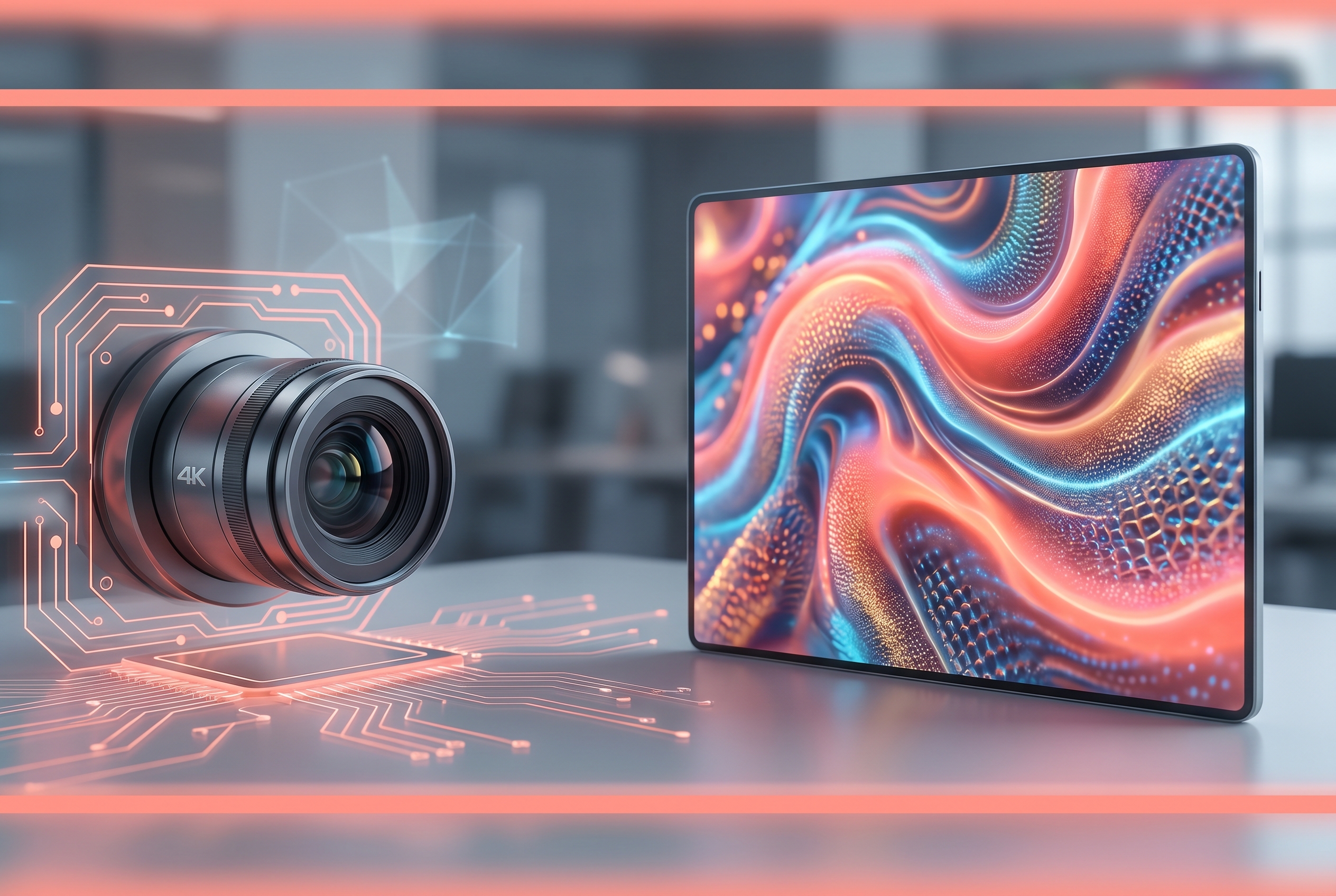
High-Efficiency 4K Fidelity
Nano Banana 2 delivers native 4K resolution with hyper-realistic textures and professional studio lighting in under 10 seconds.


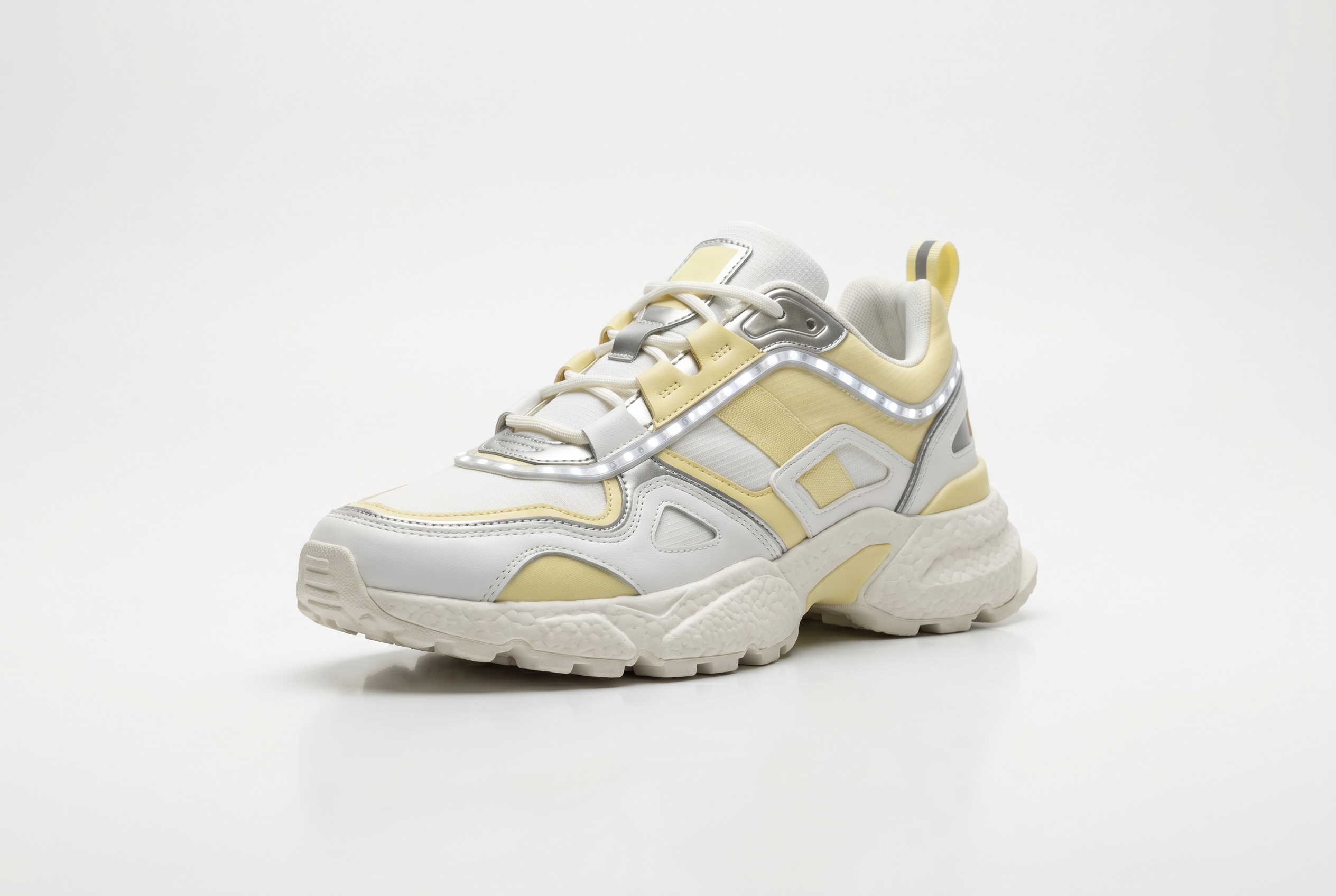
Native Resolution
3840 × 2160px
Generation Speed
< 10 Seconds
Nano Banana 2 photorealism and text rendering quality sit at a level that separates it from every other model currently available in the high-efficiency class. Community testing after launch has been consistent: users who compare Nano Banana 2 outputs directly against GPT Image 2 and FLUX.2 Pro report that Nano Banana 2 leads on generation speed, native resolution, and character consistency depth.
How to Use Nano Banana 2 for Professional Design Workflows
Understanding how to use Nano Banana 2 for professional design workflows requires shifting away from the "one-shot prompt" mindset. Nano Banana 2 rewards iterative, conversational prompting and intentional mode selection.
Inference Modes: Fast, Thinking, Pro
Nano Banana 2 exposes three explicitly selectable modes that trade compute cost against output quality:
- Fast Mode: Targets 4–6 second generation at 4K. Best for high-volume social content and rapid iteration.
- Thinking Mode: Activates an intermediate prompt interpretation step for compositional coherence. Targets 10–14 seconds. Best for complex scenes and multi-character compositions.
- Pro Mode: Full 28-step diffusion schedule with iterative refinement and Google Search grounding active by default. Targets 18–25 seconds. Best for hero assets and print-quality deliverables.
Multi-Image Workflows for Brand Assets
For marketing teams producing brand asset libraries, the Identity-Lock feature changes the production process significantly. You provide reference images of your characters or objects at session initialization, and the model encodes identity vectors that persist throughout the generation session. This workflow collapses what previously required a full-day product photography session with post-production into a matter of hours.
Nano Banana 2 Capabilities and Use Cases for Creators
Production-Grade Output at Scale
From e-commerce catalogs to editorial illustrations, Nano Banana 2 handles high-volume production with consistent identity and native 4K quality.
📊 Content Studios
Generate multi-platform assets (16:9, 9:16, 1:1) with native 4K consistency.
📱 E-Commerce
Maintain exact product identity across lifestyle and studio shots with Identity-Lock.
🎨 Game Development
Consistent character concept art across multiple poses and lighting conditions.
📰 Editorial
Grounded illustrations for current events with accurate visual context.
Access Nano Banana 2 on Kunya
GPT Image 2, Nano Banana 2, and 100+ models — one subscription.
The Nano Banana 2 capabilities and use cases for creators span a broader range of production volume than any previous Gemini image model. For the best high-efficiency image model for marketing teams in 2026, Nano Banana 2 resolves the core problems of speed and consistency that made earlier AI image tools frustrating in production environments.
Where Nano Banana 2 Fits in the 2026 AI Image Landscape
The 2026 image generation landscape has matured considerably. Nano Banana 2 leads on: native resolution, generation speed at scale, multi-character consistency depth, and search grounding. For production pipelines that need high volume, high resolution, and brand consistency across large image sets, it is the clearest choice.
For teams that want to access Nano Banana 2 alongside other leading models including GPT Image 2, FLUX, and more, platforms like Kunya AI consolidate 100+ image models under a single subscription.
API Access, Pricing, and Developer Integration
Nano Banana 2 is available through the Google AI Studio and Vertex AI APIs. Pricing starts at approximately $0.04 per 4K image in Fast Mode, making it significantly more cost-effective for high-volume production than competing Pro-tier models.
For developers building AI-assisted creative tools or content automation systems, Nano Banana 2's API access slots into existing Google Cloud infrastructure without additional vendor relationships. Explore additional model comparisons and workflow guides in our AI image generation hub.