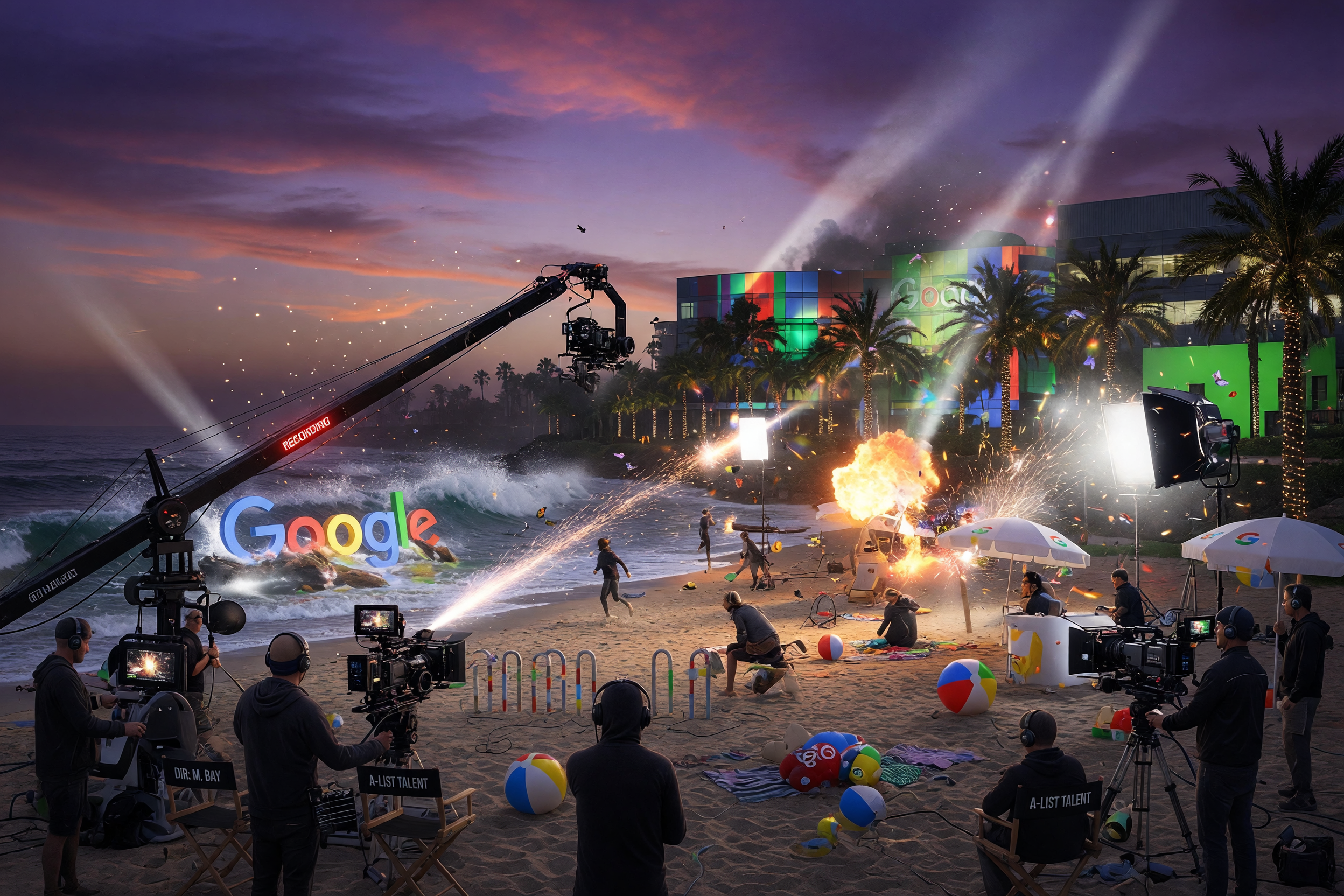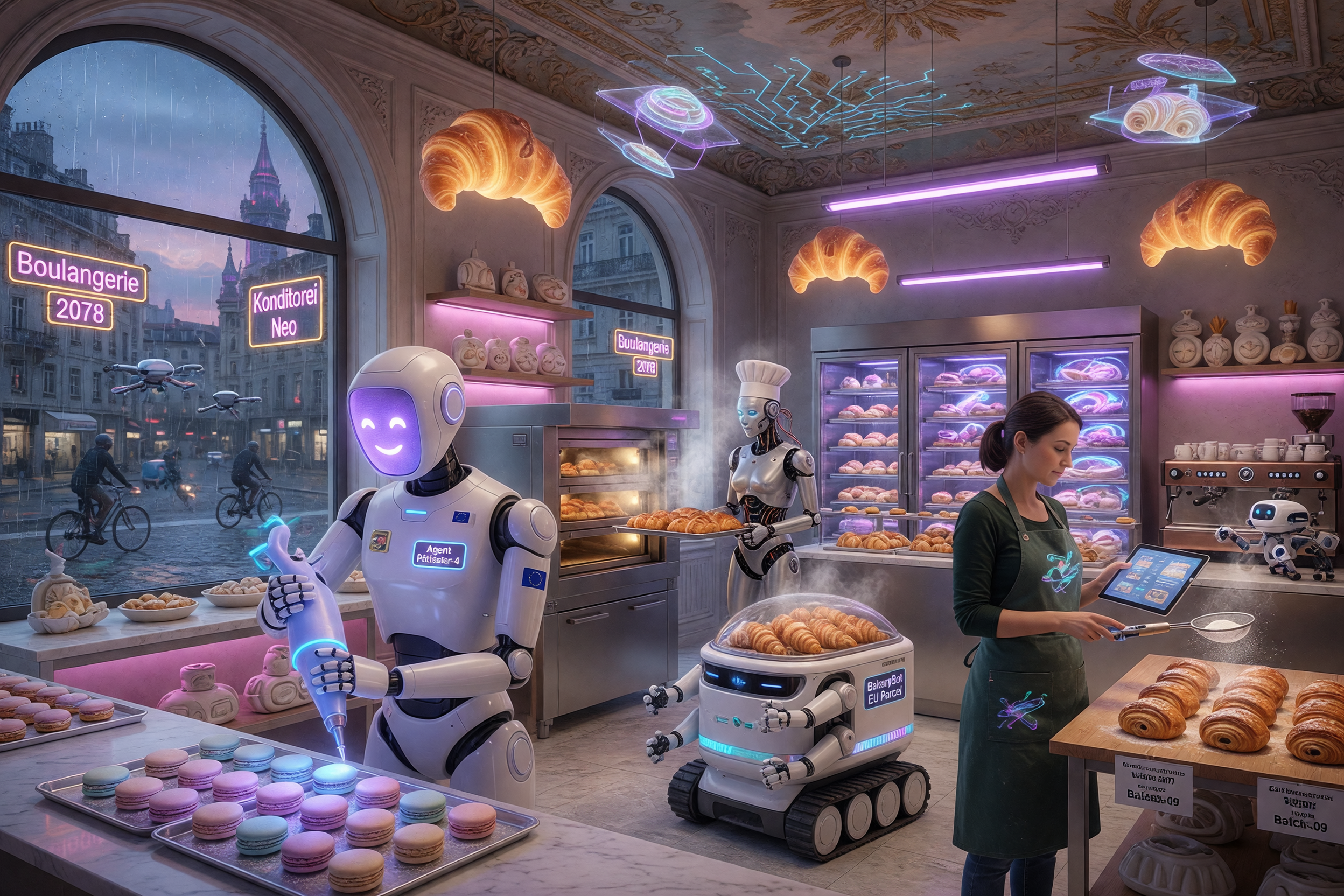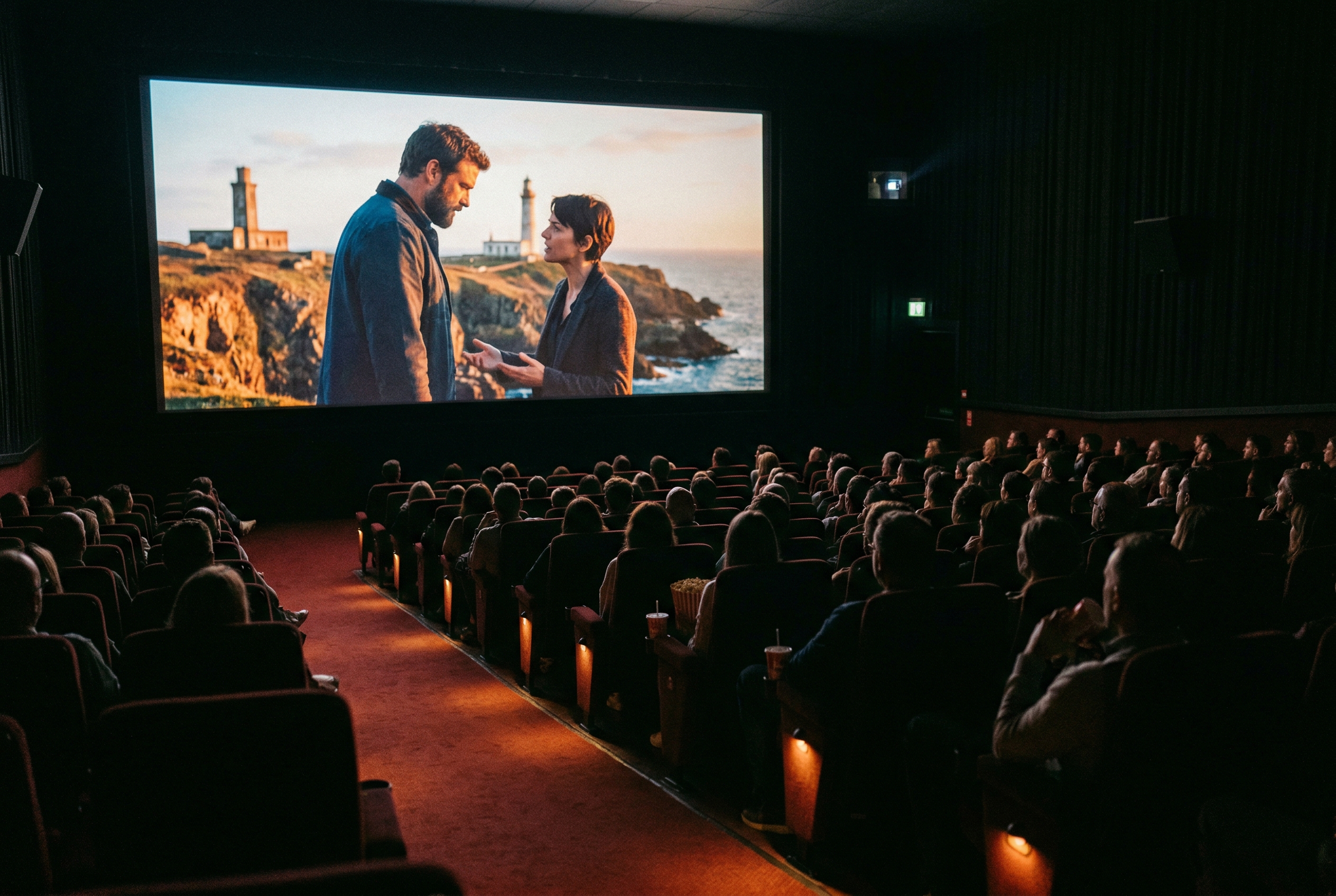
As of Sunday, April 5, 2026, the threshold for professional cinema has officially moved from the soundstage to the GPU cluster. The release of Google Veo 3.1 has fundamentally shifted the expectations for high-end digital production, proving that AI video generation 2026 is no longer a novelty for social media creators, but a sophisticated tool for world-class filmmakers. For those navigating the rapidly evolving landscape of generative media, this model represents the convergence of photorealistic rendering and complex physical logic. It is a moment where the technical barriers to entry are dissolving, leaving only the strength of one's vision as the ultimate differentiator in the creative marketplace.
The Evolution of Cinematic AI: Defining the 2026 Standard
Google Veo 3.1 arrived in late 2025, but its full impact is only being felt now, in early 2026, following the expansion of the model family to include specialized tiers for developers and enterprises. This model is the successor to the original Veo 3, which was first teased at Google I/O 2025. While the previous iteration laid the groundwork for temporal consistency, version 3.1 has mastered the subtle nuances of cinematic AI, particularly in how it handles light, shadow, and the physics of organic motion. It is widely considered the current benchmark for generative video standards due to its native 48kHz audio synchronization and high-fidelity 4K output.
The architecture of Google Veo 3.1 is built upon a latent diffusion transformer. This system compresses video data into spatio-temporal patches, allowing the model to focus on the relationships between pixels over time rather than just within a single frame. This approach is what allows for the production of 8-second clips that maintain perfect character consistency and environmental stability. For filmmakers, this means that a character walking through a forest will not "morph" into the background, and their clothing will retain the same texture and pattern from the first frame to the last.
What Makes Veo 3.1 the New Benchmark?
The primary reason Google Veo 3.1 has secured its spot as a leader is its commitment to "Cinematic Control." This feature set allows users to specify technical camera directions such as pans, tilts, booms, and dollies with surgical precision. Unlike earlier models that often ignored specific camera prompts, Veo 3.1 understands the geometric implications of a "low-angle tracking shot." This level of control is essential for anyone conducting a Google Veo 3.1 cinematic video quality review, as it distinguishes the model from "prompt-and-hope" systems that lack intentionality.
Furthermore, the integration of native audio is a massive leap forward. In the past, AI video was silent, requiring creators to hunt for sound effects (Foley) and background music in post-production. Veo 3.1 generates three layers of audio simultaneously: dialogue, environmental soundscapes, and sound effects matched to on-screen action. This holistic approach ensures that the "crunch" of footsteps on gravel or the "hum" of a distant city is perfectly synced to the visual movement, creating a truly immersive experience right out of the box.
Evaluating Physics and Motion: How Veo 3.1 Simulates Reality
One of the most difficult challenges in AI video is the simulation of gravity and momentum. In early 2025, many models struggled with objects passing through each other or hair moving in ways that defied the laws of physics. However, when you look at how to achieve realistic physics in AI video today, Google Veo 3.1 is frequently the primary case study. Its training data has been heavily weighted toward "physics-aware" datasets, allowing it to predict how a silk dress should flow in a breeze or how water should splash when a stone is thrown.
The model uses block sparse attention mechanisms to manage the heavy computational load of physics simulation. By focusing its processing power on the areas of the frame where motion is most active, it can dedicate more "intelligence" to the ripple of a wave or the trajectory of a falling object. This ensures that the motion feels "heavy" and grounded, avoiding the floaty, dreamlike quality that plagued earlier generative video tools. For high-stakes commercial work, this reliability is non-negotiable.
Comparing Physical Accuracy with Competitors
While models like LTX Video v2 Overview: High-Fidelity Physics and Motion in 2026 have made strides in specific motion categories, Google Veo 3.1 offers a more general-purpose physical engine. Whether the scene involves liquid dynamics, rigid body collisions, or soft-body simulations (like skin or fabric), the model maintains a high level of plausibility. This is why it is consistently ranked among the best AI video models for filmmakers 2026: it reduces the "uncanny valley" effect by ensuring the world behaves exactly as the viewer expects.
- Temporal Stability: Objects do not flicker or disappear between frames.
- Motion Blur: Realistic shutter speeds are simulated based on the movement of the camera.
- Weight and Inertia: Characters move with a sense of skeletal structure and muscle mass.
The Google Veo 3.1 Model Family: Lite, Fast, and Pro
In March 2026, Google introduced the "Lite" variant of Veo 3.1, completing a three-tier ecosystem that serves everyone from hobbyists to enterprise developers. Understanding the differences between these tiers is crucial for optimizing production budgets and workflows. While the core "intelligence" remains consistent, the output resolution and speed vary significantly between the versions.
| Model Tier | Primary Use Case | Max Resolution | Starting Cost (per sec) |
|---|---|---|---|
| Veo 3.1 Lite | High-volume, budget-conscious apps | 1080p | $0.05 |
| Veo 3.1 Fast | Rapid iteration and social media | 1080p | $0.10 (as of April 7) |
| Veo 3.1 Pro (Standard) | High-fidelity cinematic production | 4K | $0.40 |
The addition of the Lite model on March 31, 2026, was a strategic move by Google to dominate the programmatic video market. At just $0.05 per second, developers can now build applications that generate personalized video ads or dynamic content at a fraction of the previous cost. This lower price point does not come at the expense of speed: the Lite model matches the generation latency of the Fast tier, though it is capped at 1080p resolution. For those looking for the "gold standard" of 4K precision, the Pro tier remains the choice for the big screen.
For creators who need to juggle these various models alongside other tools, platforms like Kunya AI provide an all-in-one workspace. By consolidating 100+ models into one subscription, Kunya allows filmmakers to use Veo 3.1 for their visuals while leveraging the latest reasoning models for scriptwriting and planning. This ecosystem approach is vital in 2026, where the speed of execution is just as important as the quality of the output.
Google Veo 3.1 vs Sora 2 Pro: The Battle for Supremacy
No discussion of cinematic AI is complete without a Veo 3.1 vs Sora 2 Pro comparison. Since OpenAI released Sora 2 Pro, the two models have been locked in a fierce competition for the title of "best in class." While Sora 2 Pro is often praised for its creative "flair" and ability to generate highly imaginative, surreal scenes, Google Veo 3.1 wins on production stability and integration. Google's model feels like a tool built by cinematographers, for cinematographers, whereas Sora often feels like a pure artistic engine.
A key differentiator is the audio. While Sora 2 Pro Guide: High-Fidelity Cinematic Video and Audio Fidelity showcases impressive soundscapes, Veo 3.1's lip-sync accuracy is currently unrivaled. Google’s model can match dialogue to character mouth movements with a latency of less than 120ms, making it actually usable for scenes where characters need to speak. Sora 2 Pro remains excellent for mood pieces and abstract visuals, but for narrative storytelling with dialogue, Veo 3.1 is the clear victor in 2026.
Key Differences in Creative Workflow
Filmmakers often choose Veo 3.1 because of its "Reference-to-Video" capabilities. You can upload up to three reference images to ground the AI in a specific style, character, or setting. This reduces the randomness that often plagues generative video. Sora 2 Pro, while powerful, often requires more complex "prompt engineering" to achieve a consistent look across multiple shots. In a professional production pipeline where time is money, the predictability of Veo 3.1 is a significant advantage.
Democratizing Storytelling: The Human Impact of High-Quality Video
Beyond the technical specifications and pricing tables, the true value of Google Veo 3.1 lies in its ability to democratize the act of storytelling. In the traditional film industry, bringing a cinematic vision to life required millions of dollars, hundreds of crew members, and massive logistical coordination. Today, a solo creator with a compelling script and a mastery of these tools can produce a sequence that rivals a mid-budget studio film. This shift is empowering a new generation of artists who previously lacked the capital to share their stories with the world.
At Kunya, the philosophy is that AI exists to augment human creativity, not replace it. Google Veo 3.1 acts as a "human amplifier," allowing individuals to manifest their unique visions with cinematic grandeur. It is the infrastructure for realizing ambitions that were once considered impossible. Whether it is a solo founder building a brand story or an agency lead scaling a national campaign, these tools allow human judgment and originality to take center stage while the AI handles the heavy lifting of rendering and simulation.
Case Study: The Rise of the AI-Augmented Indie
Consider the independent filmmaker who, in 2024, was limited to shooting in their local neighborhood with a single camera. In 2026, using Veo 3.1, that same filmmaker can set a scene on a space station or in a historical recreation of 18th-century Paris. By using tools like Gemini 3 Pro Overview: Mastering Multimodal and Agentic Tasks to plan their shots and Veo 3.1 to execute them, they can produce high-quality narratives on a shoestring budget. This is the ultimate promise of generative media: the decentralization of creative power.
Mastering the Prompt: How to Get the Best Results from Veo 3.1
To truly unlock the potential of Google Veo 3.1, one must understand the language of cinematography. The model is highly responsive to technical directives, and generic prompts often lead to generic results. To achieve that "high-quality cinematic" look, your prompts should include specific details about camera lens, lighting, and movement. Instead of saying "a man walking," you should say "a low-angle tracking shot of a man in a tailored suit walking through a neon-lit alleyway, anamorphic lens flares, cinematic 35mm grain, volumetric fog."
Advanced Prompting Techniques for 2026
One of the most effective ways to use Veo 3.1 is through multi-reference prompting. By providing the model with an image of your character, an image of your location, and a "mood board" for the lighting, you significantly increase the chances of a successful first generation. This "Reference-to-Video" workflow is currently the most efficient way to maintain brand consistency and visual continuity. For more on this, the Kling 2.5 Pro: Mastering Cinematic AI Video Generation in 2026 guide offers some overlapping strategies that apply to high-end video engines.
- Specify the Lens: Mention "85mm prime" for portraits or "14mm wide" for landscapes to influence the depth of field and distortion.
- Define the Light: Use terms like "Golden hour," "Rembrandt lighting," or "Chiaroscuro" to set the mood.
- Direct the Motion: Use "slow pan," "dolly zoom," or "fast-paced handheld" to dictate the energy of the shot.
Remember that the audio is also promptable. You can include sound instructions directly in your text input. Adding phrases like "heavy rain pattering on a metal roof" or "muffled jazz music in the background" will guide the native audio engine to create a more layered and professional soundscape.
Addressing Common Pain Points: Character Consistency and Scaling
Despite its brilliance, working with AI video generation 2026 is not without its hurdles. The most common complaint among professional users is character drifting: the phenomenon where a character's features subtly change across different shots. Google has addressed this in Veo 3.1 by allowing up to three reference images, but it still requires a disciplined approach to asset management. Many creators are now using "character sheets" generated in high-end image models and feeding those consistently into Veo to keep their protagonists stable.
Another challenge is the 8-second generation limit. While 8 seconds is ample for a single cinematic shot, it is short for a continuous scene. The solution used by most production houses in 2026 involves "Keyframe-to-Video" transitions. By taking the last frame of a generated clip and using it as the first frame (the starting reference) for the next, you can create seamless long-form sequences that appear as a single, continuous take. This method requires a platform with high memory and history capabilities, making workspace organization essential.
Scale and Quota Management
For agencies running high-volume campaigns, managing API quotas and credits is a daily operational task. Google Veo 3.1 Lite is the answer for those who need to scale without exploding their budget. However, it is important to remember that Lite is optimized for HD, not 4K. When the final output is for television or cinema, the Pro model is still the only viable path. Balancing these different tiers within a single project is the mark of a sophisticated AI-augmented producer.
Frequently Asked Questions about Google Veo 3.1
Does Google Veo 3.1 support full dialogue?
Yes, Veo 3.1 is currently the only major model in the space that generates 48kHz synchronized dialogue directly from a text prompt. It features lip-sync accuracy within 120ms, making it suitable for narrative storytelling where characters need to speak directly to the camera or to each other.
What is the maximum video length I can generate?
The standard generation length for a single clip in Veo 3.1 is 8 seconds. However, creators can link these clips together using image-to-video reference techniques to build much longer, coherent sequences.
What aspect ratios are supported?
Veo 3.1 supports all major aspect ratios natively, including 16:9 (Landscape), 9:16 (Portrait), and 1:1 (Square). This makes it a versatile tool for both traditional filmmaking and modern social media production.
Is Google Veo 3.1 safe for commercial use?
Google has implemented extensive safety filters and watermarking (SynthID) to ensure that the model is used responsibly. It is designed to be "enterprise-ready," avoiding the generation of copyrighted material or harmful content, which is a key requirement for corporate and agency work.
The Future of Video Production: What Comes After Veo 3.1?
As we look toward the second half of 2026, the trajectory of AI video is clear: real-time interactivity. While we are currently in the "generate and wait" phase (even if the wait is only 60 seconds), the next frontier is the live generation of cinematic environments. We are already seeing the beginning of this with Google's Three.js integration and high-speed "Live" models. In the near future, directors may be able to "wear" a VR headset and walk through a Veo-generated world, making creative decisions in real-time while the AI renders the environment around them.
For now, Google Veo 3.1 remains the definitive generative video standard. It offers the most reliable balance of cinematic quality, physical accuracy, and production control. As more creators adopt these tools, the landscape of visual media will continue to shift away from "who has the biggest budget" toward "who has the most compelling story to tell."
Conclusion: Seizing the Cinematic Opportunity
Google Veo 3.1 is more than just a software update; it is a declaration that the future of film is here. By mastering Google Veo 3.1 cinematic video quality review metrics and understanding the nuances of the 3.1 Lite and Fast tiers, creators can unlock levels of productivity and creativity that were previously unimaginable. This model provides the high-fidelity visuals, realistic physics, and native audio required to produce professional-grade cinema from a single workstation.
The democratization of storytelling is the true heart of this technological revolution. Whether you are a solo creator manifesting a unique vision or a global agency scaling a brand narrative, Google Veo 3.1 offers the tools to share human stories with unprecedented grandeur. The barriers have fallen, and the standard has been set.
Ready to elevate your production workflow? Stop juggling fragmented subscriptions and start building your cinematic future today. Join the community of serious creators who are running their entire AI operating system on one platform. Sign up for Kunya AI today and gain access to 100+ models, including the most advanced video generation tools on the market. One platform, every model, no limits.
Further Reading
- Veo 3 Lite Complete Guide 2026: Everything You Need to Know About Google's Most Accessible AI Video Model
- Google Veo 3.1 Free: How to Use It (Complete Guide 2026)
- Google Veo 3.1 Review (2026): Lite vs Fast, Pricing, Prompts & API Guide
- Google Veo 3.1 4K Guide: Master the "Ingredients to Video...
- Using Veo 3.1 in 2026: Complete Guide to API, Pricing, and Prompting | Blogs
- Veo 3 Text to Video: Complete Guide to Google AI Video Generation (2026)