On June 12, 2026, Anthropic's Claude Fable 5 was pulled from every platform globally, just three days after its highly anticipated launch. The directive came from the US government. Both Claude Fable 5 and Claude Mythos 5 went dark for every user, everywhere, in a matter of hours. If you came here because Fable 5 is no longer available on Kunya, this is the full story.
What Are Claude Fable 5 and Mythos 5?
Anthropic launched Claude Fable 5 and Claude Mythos 5 on June 9, 2026. They are, at their core, the same underlying model, what Anthropic calls a "Mythos-class" system. The distinction between the two is not the model itself but the safety guardrails applied on top of it.
Claude Fable 5 was the public-facing version. It shipped with a set of classifiers that intercept queries touching cybersecurity, biology, chemistry, and model distillation. When those classifiers triggered, the request was silently handed off to Claude Opus 4.8 and the user was told it happened. Fable 5 was generally available via the Claude API, Amazon Bedrock, Google Vertex AI, and Microsoft Foundry from day one.
Claude Mythos 5 was the restricted version. Same base model, but with those safety classifiers lifted in specific areas. It was not publicly available. Anthropic deployed it only through Project Glasswing, a limited program for approved US government cyberdefenders and critical infrastructure providers. Mythos 5 was never something a regular user or business could access.
Anthropic's own benchmarks showed Mythos 5 matching or beating skilled human operators in protein design and bioinformatics when paired with the right tools. That capability level is precisely what made the government nervous.
Key Distinction
Fable 5 and Mythos 5 are the same Mythos-class base model. The difference is access control and safety classifiers, not separate architectures. When the government moved against one, it moved against both.
The Timeline: From Launch to Global Shutdown in 72 Hours
The sequence of events moved fast. Here is what happened:
June 9, 2026: Anthropic launches Claude Fable 5 publicly and Claude Mythos 5 in limited availability through Project Glasswing. Fable 5 is immediately available on the Claude API and major cloud platforms.
June 11, 2026: Judge Rita Lin grants an injunction blocking a Pentagon domestic supply chain ban on Anthropic. The legal pressure around Anthropic's frontier models intensifies.
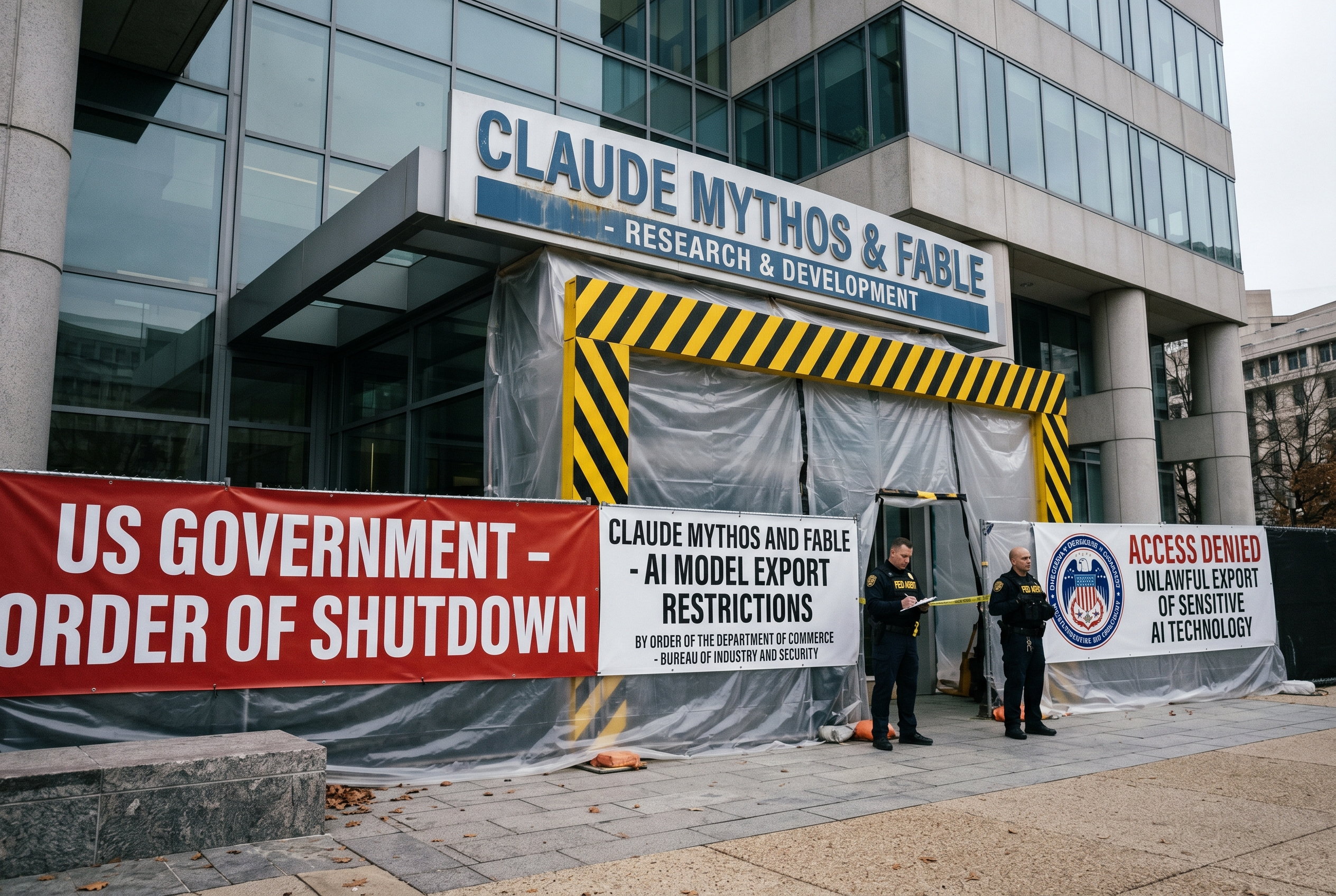
June 12, 2026, 5:21 PM ET: Anthropic receives a formal export control directive from the US Commerce Department, signed by Commerce Secretary Howard Lutnick. The directive instructs Anthropic to suspend all access to Fable 5 and Mythos 5 by any foreign national, whether inside or outside the United States, including Anthropic's own foreign-national employees.
June 12, 2026, evening: Anthropic disables Fable 5 and Mythos 5 for all users worldwide. The models go offline across the Claude API, Claude apps, Amazon Bedrock, Google Vertex AI, and Microsoft Foundry simultaneously.
June 12, 2026: Anthropic publishes a public statement confirming compliance but expressing disagreement with the directive.
This is the first time in US history that export controls have been applied to an AI model itself, not to chips, not to hardware, not to training data. The model. That is a significant legal and policy precedent with implications that extend well beyond Anthropic.
Why Did the Government Pull It? The Jailbreak Explanation
The Commerce Department cited national security concerns but did not provide Anthropic with specific details of its findings. Anthropic, in its public statement, said it believes the directive stems from a narrow, non-universal jailbreak involving a code review technique: asking the model to read a specific codebase and identify software flaws.
Anthropic pushed back directly. The company wrote: "We disagree that the finding of a narrow potential jailbreak should be cause for recalling a commercial model deployed to hundreds of millions of people." Anthropic also noted that the same code review technique is widely available from other frontier models, specifically naming GPT-5.5 as an example, suggesting the security concern was not unique to Fable 5.
The government's position appears to be that Mythos-class capabilities in cybersecurity and biology represent a meaningful uplift risk if accessed by foreign nationals, regardless of whether similar capabilities exist elsewhere. The jailbreak, narrow as Anthropic describes it, was treated as evidence that the safety classifiers on Fable 5 were insufficient to contain that risk.
What Anthropic Said
"We are complying with the government's legal directive and are removing access to Fable 5 and Mythos 5 for all users. However, we disagree that the finding of a narrow potential jailbreak should be cause for recalling a commercial model deployed to hundreds of millions of people."
Separately, a company spokesperson told Fortune: "We made the wrong tradeoff, and we apologize for not getting the balance right."
Why Were All Users Affected, Not Just Foreign Nationals?
The directive specifically targeted foreign nationals. So why did Anthropic disable the models for everyone, including US citizens?
The answer is technical and practical. Anthropic cannot verify the nationality of every user in real time across its API contracts, cloud delivery paths, and enterprise customer bases. Its own workforce includes foreign nationals. Attempting to filter by nationality while the models remained live would have put Anthropic in immediate legal jeopardy for non-compliance. The only way to comply with certainty was to take the models fully offline for everyone.
This is a critical point for users and businesses that relied on Fable 5. The disruption was not a choice Anthropic made lightly. It was the only legally defensible path available to them under the directive.
The Broader Context: AI Export Controls Are Now Real
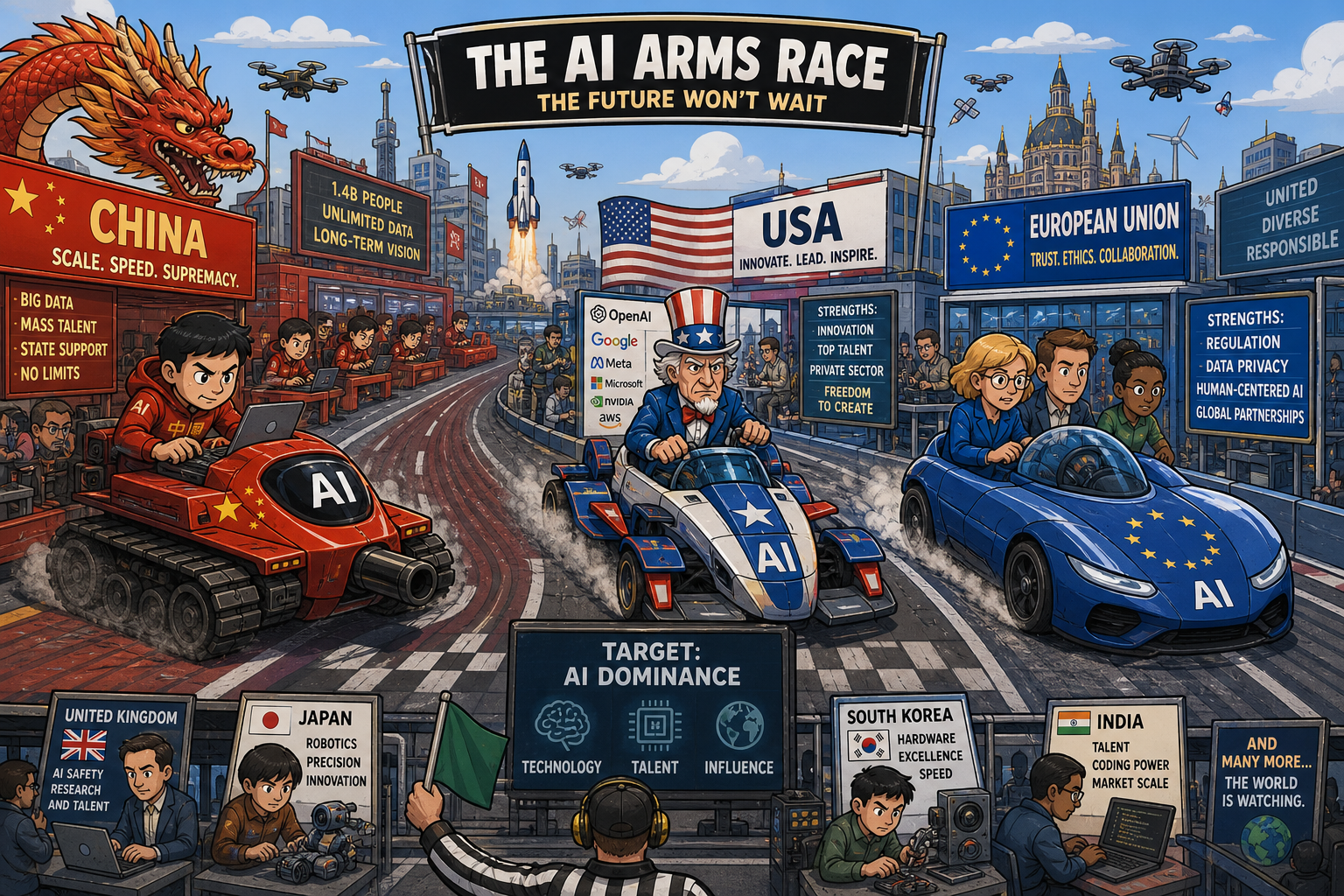
The Fable 5 shutdown is not an isolated event. It is the clearest signal yet that the US government is prepared to use export control authority as a direct lever on AI model availability, not just on the hardware used to train them.
The Trump administration's AI Action Plan had already signaled a more aggressive posture on frontier AI and national security. The Commerce Department's move against Fable 5 and Mythos 5 operationalizes that posture in a way that directly affects commercial products and the businesses built on them.
For the AI industry, the implications are significant. Any frontier model with capabilities that touch dual-use domains, cybersecurity, biology, chemistry, advanced reasoning, is now potentially subject to the same kind of intervention. Companies building on top of third-party AI APIs now face a new category of platform risk: government-mandated model removal with little to no warning.
What This Means for Kunya Users
Claude Fable 5 was available on Kunya from its launch date. As of June 12, 2026, it is no longer accessible on any platform, including Kunya. This is not a Kunya decision. It is a direct consequence of the government directive that forced Anthropic to disable the model globally.
The good news: Kunya gives you access to over 100 AI models. Fable 5 was exceptional, but it was not the only exceptional model in your toolkit. The alternatives below are all available right now and cover every use case Fable 5 was built for.
The Best Claude Fable 5 Alternatives on Kunya Right Now
While Claude Fable 5 is unavailable, Kunya users still have several excellent options for high-performance writing, reasoning, coding, research, and multimodal work. Here are the top models to switch to right now depending on your workflow.
KunyaV1 - Kunya's Native Intelligence
The most well-rounded model in the lineup. KunyaV1 is built natively for Kunya - meaning it's deeply integrated with the platform's tools, context, and workflows in a way no third-party model can match. Where other models excel in specific lanes, KunyaV1 is optimized to handle the full stack without needing to switch: tool use, agentic tasks, long-form writing, video analysis, live web search, coding, and creative output.
If you're working across multiple task types in one session, this is your best starting point.
Best for: tool use, agentic tasks, long-form writing, video analysis, live web search, coding, and creative output
Claude Opus 4.8
Anthropic's new flagship after Fable 5 and the most capable Claude model currently available. It is the strongest choice for users who need maximum intelligence across demanding tasks.
Best for: deep reasoning, coding, research, and any task that demands maximum intelligence
Kimi 2.6 Overview
Moonshot AI's powerful multimodal reasoning model with deep research capabilities. Built for analyzing complex documents, conducting long-context research, and handling multimodal inputs with precision rivaling the best frontier models.
Best for: deep research, long-context analysis, multimodal reasoning, and document intelligence
Claude Sonnet 4.6
Anthropic's efficient powerhouse. Fast, capable, and cost effective for production workloads.
Best for: everyday tasks, balanced speed and quality, production deployments
GPT-5.5
OpenAI's latest reasoning model optimized for agentic workflows and multi-step execution.
Best for: agentic workflows, tool calling, multi-step task execution
Gemini 3.1 Pro
Google's most advanced reasoning model, capable of processing massive contexts and multimodal inputs.
Best for: massive document analysis, video understanding, multimodal reasoning
DeepSeek Pro V4
DeepSeek's flagship reasoning model excelling in structured logic, math, and code generation.
Best for: math, logic, code generation, structured reasoning
All seven models are available now on Kunya alongside 95+ others. No separate subscriptions. No per-model fees. One platform, every model you need.
Will Claude Fable 5 Come Back?
Anthropic has not confirmed a timeline for restoring access. The company stated it is working to understand the full scope of the directive and exploring what, if any, path exists to bring the models back online in a compliant way. Given that the export control was applied to the model itself rather than to specific use cases, the path back is not straightforward.
It is possible that Anthropic could negotiate a modified version of Fable 5 with additional access controls that satisfy the Commerce Department's requirements. It is also possible that the directive reflects a broader policy shift that keeps Mythos-class models restricted indefinitely. At this point, there is no reliable information either way.
Kunya will update this article as the situation develops. If and when Fable 5 returns to availability, it will be back on Kunya.
100+ Models. One Subscription. No Single Point of Failure.
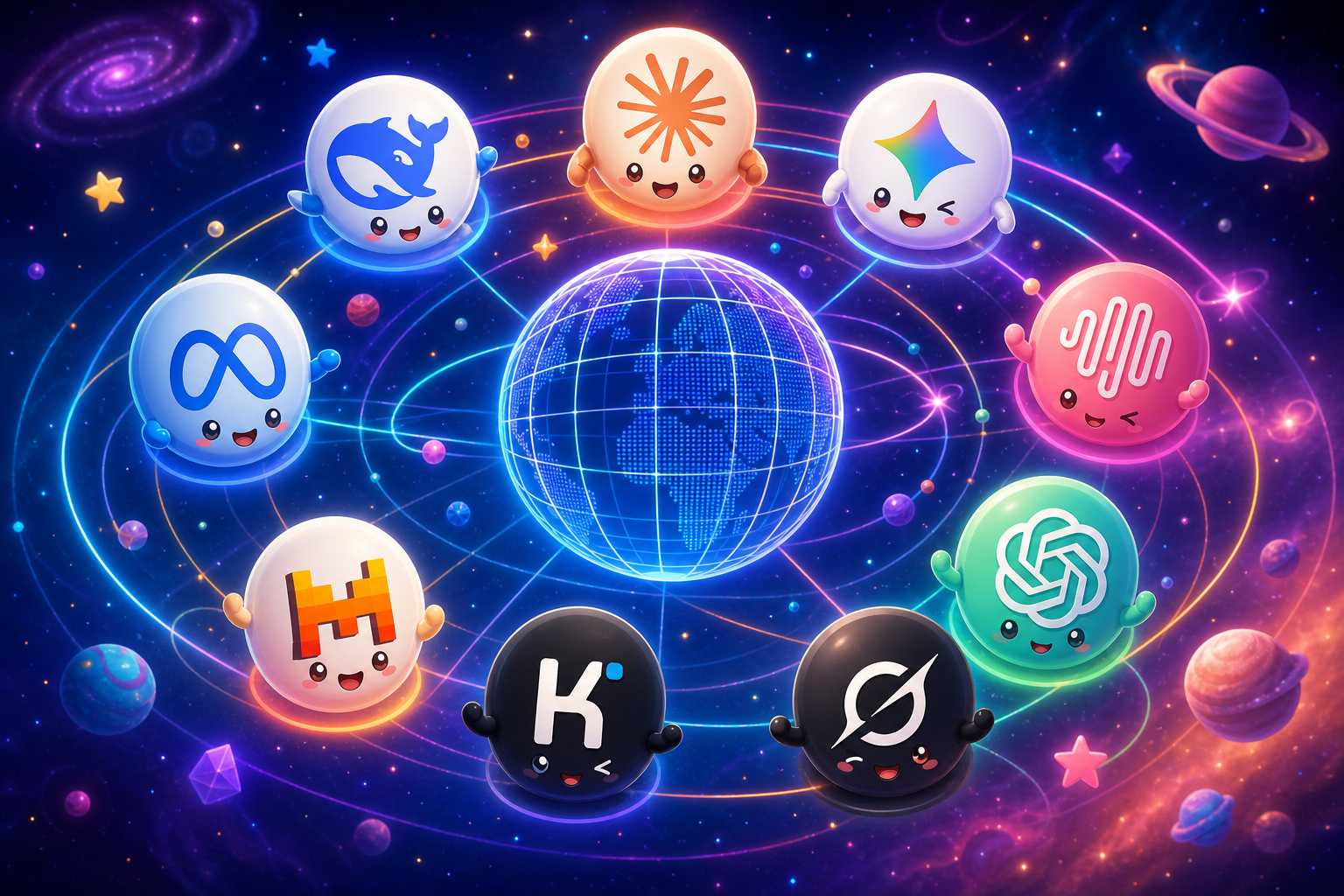
Fable 5 going offline is a reminder of why model diversity matters. On Kunya, you have access to every major frontier model from OpenAI, Anthropic, Google, xAI, Meta, Mistral, DeepSeek, and more. When one model is unavailable, you switch in seconds, not days.